Going through trauma can change the way you experience relationships.
People who once felt safe may suddenly feel overwhelming. Conversations that used to feel simple may start to feel loaded. You might find yourself pulling away, overexplaining, shutting down, scanning for signs that something is wrong, or needing more reassurance than you used to.
That does not mean you are broken.
It may mean your mind and body are still trying to protect you from being hurt again.
After a traumatic experience, your nervous system can become more sensitive to threat. Even when you logically know someone cares about you, your body may not feel safe enough to fully relax, trust, or receive support. This can make closeness feel confusing because part of you may crave connection while another part of you wants to protect yourself from it.
Rebuilding healthy relationships after trauma is not about forcing yourself to trust people before you are ready. It is about slowly creating enough emotional safety, self-trust, and supportive connection that your body can begin to learn: not every relationship is a threat, and you do not have to heal alone.
Healing doesn’t follow a straight line, but these practical, trauma-informed strategies can help you begin rebuilding trust, emotional safety, and healthy relationships one step at a time.
Practice Vulnerability One Step at a Time
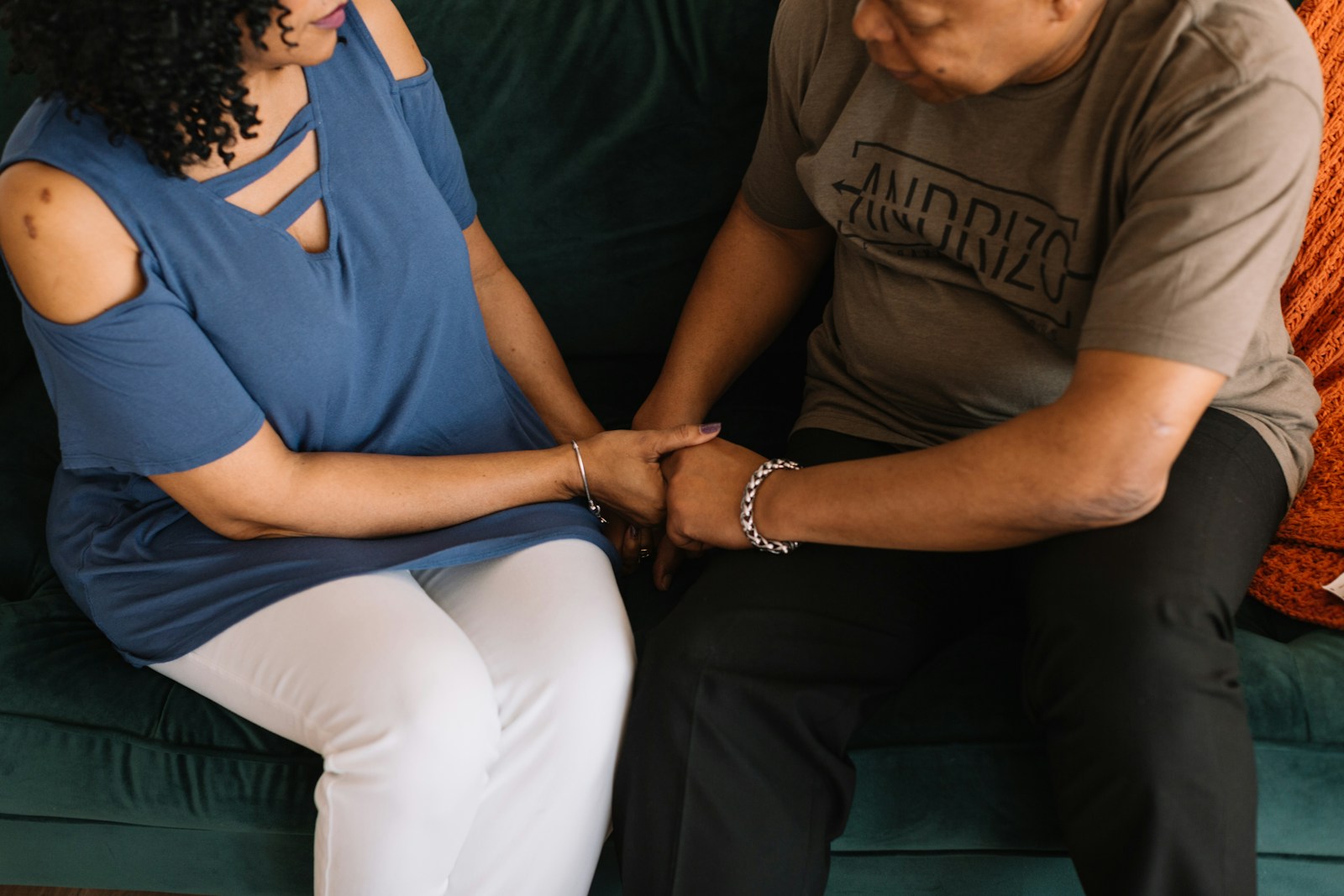
After trauma, opening up to someone can feel incredibly vulnerable. You might find yourself wanting to tell someone everything all at once because you’re desperate to be understood. Or you may do the opposite and keep people at a distance because letting anyone in feels too risky.
Both responses are understandable.
Instead of feeling like you have to choose between oversharing and shutting down, it might help to practice what therapists sometimes call titrated vulnerability. In simple terms, it means sharing a little at a time and paying attention to how it feels before sharing more.
As researcher and author Brené Brown explains:
“Vulnerability is based on mutuality and requires boundaries and trust. It’s not oversharing… It’s about sharing our feelings and our experiences with people who have earned the right to hear them.”
After trauma, your nervous system may need time to learn that closeness can be safe again. You don’t have to tell someone your entire story to begin rebuilding trust.
Instead, start with something small. Share how you’re feeling today. Let someone know when you’re having a hard day. Express a need or a boundary. Then notice how they respond.
Do they listen without dismissing you? Do they respect your boundaries? Do they make you feel safer or more guarded?
Trust isn’t built all at once. It’s built through consistent experiences that show your mind and body it’s safe to take the next small step.
Don’t Be Afraid to Ask for Support
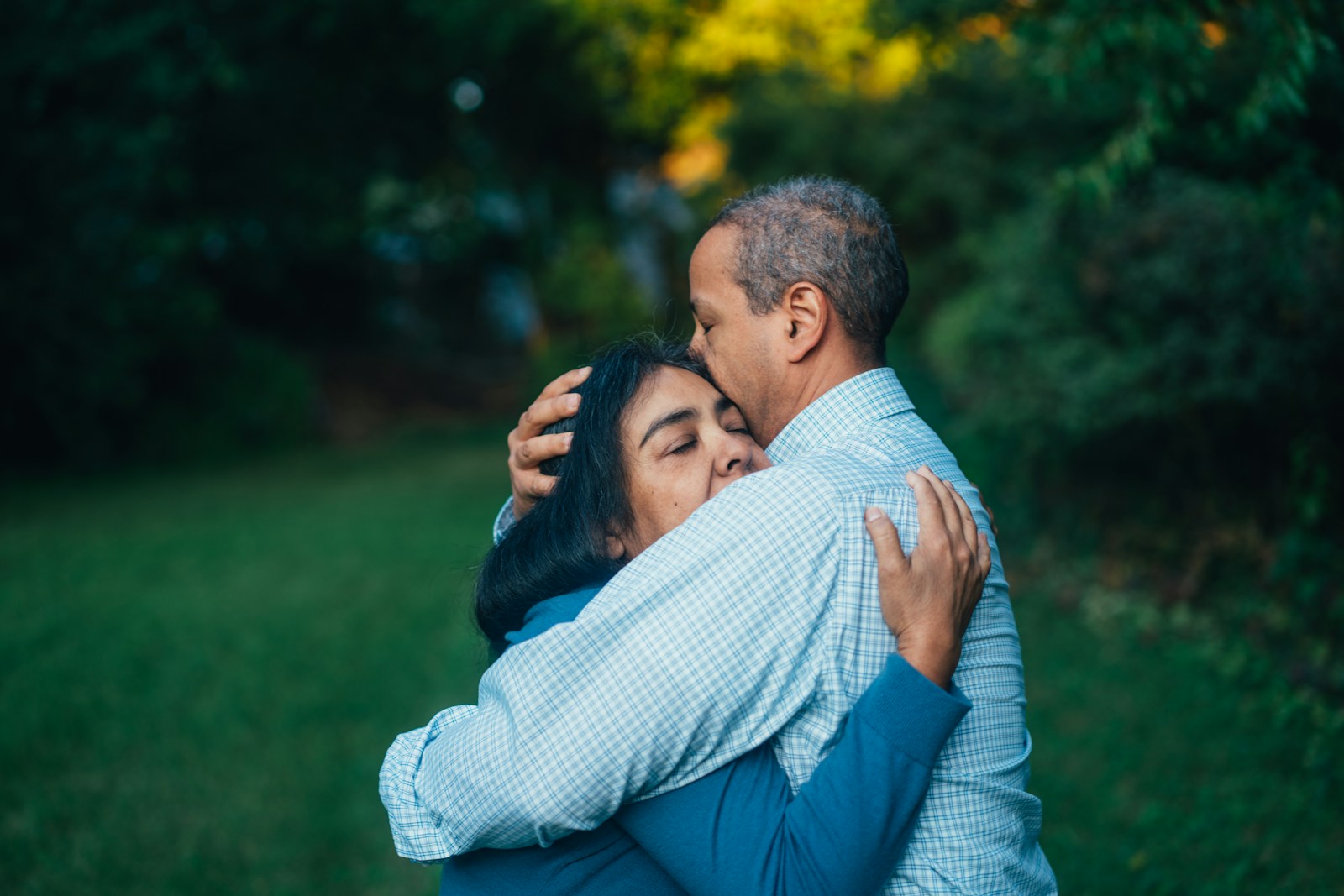
Healing from trauma isn’t something you have to figure out on your own.
While supportive friends and family can play an important role, there are times when working with a trained mental health professional can provide the structure, guidance, and safety needed to process what you’ve been through.
The goal isn’t simply to talk about your trauma. It’s to better understand how it has shaped the way you think, feel, relate to others, and respond when something doesn’t feel safe. Over time, therapy can help you recognize patterns, build emotional resilience, and develop healthier ways of connecting with yourself and the people around you.
Finding the right support can take time, especially as the demand for mental health care continues to grow. That’s one reason advanced training for mental health providers is so important. Programs like MFT, LCSW, or DNP-PMHNP programs help prepare clinicians to assess, diagnose, and treat a wide range of mental health concerns while providing compassionate, evidence-based care.
Healing doesn’t have to happen in isolation. Having someone who can help you make sense of your experiences while creating a safe space to process them can make a meaningful difference in your recovery.
Communicate What Helps You Feel Safe

Trauma can make it difficult to know what you need, let alone express it to someone else. You may find yourself saying “yes” when you mean “no,” avoiding difficult conversations, or staying silent because you’re worried about how someone will respond.
That’s why learning to communicate your needs and boundaries is such an important part of healing.
Healthy relationships aren’t built on mind-reading or people-pleasing. They’re built on honesty, mutual respect, and a willingness to understand one another. Letting someone know what helps you feel safe gives them the opportunity to respond with care, while also helping you begin to trust your own needs and limits.
That might sound like:
- “I’m feeling overwhelmed and need a little time before we continue this conversation.”
- “I’m not ready to talk about that yet.”
- “It helps me when you check in instead of assuming I’m okay.”
- “Physical affection feels difficult for me today.”
Not everyone will respond in the way you hope, and that information matters too. Healthy boundaries aren’t about controlling another person’s behavior—they help you recognize who is willing and able to respect your needs.
Learning how to name your needs, trust your boundaries, and communicate them without guilt can take time—especially if you learned to survive by staying quiet, overexplaining, or putting everyone else first. That is one of the reasons I created my self-paced course, Becoming the Love of Your Life, to help you rebuild self-trust and emotional safety so you can show up in your relationships with more clarity, confidence, and connection.
Over time, communicating what helps you feel safe becomes less about protecting yourself from everyone and more about building relationships where trust, respect, and emotional safety can grow.
Frequently Asked Questions About Rebuilding Healthy Relationships After Trauma

Healing after trauma rarely follows a straight line, and it’s normal to have questions along the way. Here are a few of the most common concerns people have as they begin rebuilding trust, connection, and emotional safety in their relationships.
Can I have a healthy relationship after trauma?
Yes. Trauma can change how you experience closeness, trust, and vulnerability, but it doesn’t mean secure relationships are out of reach. Healing often happens gradually as you build self-awareness, develop healthier patterns, and experience safe, consistent relationships over time.
Why do healthy relationships sometimes make me feel anxious?
If your nervous system learned that closeness was unpredictable or unsafe, calm and consistent relationships may feel unfamiliar at first. That doesn’t necessarily mean something is wrong with the relationship. Sometimes it’s a sign that your mind and body are still learning what safety feels like.
How do I know if I’m ready to trust someone again?
Trust doesn’t have to happen all at once. Instead of asking whether you completely trust someone, ask yourself whether they consistently respect your boundaries, communicate honestly, take accountability, and make you feel emotionally safe. Trust is built through repeated experiences, not one big decision.
What if I keep pushing people away?
Pulling away is often a protective response, not a personal failure. Rather than judging yourself for it, get curious about what your mind and body may be trying to protect you from. With support, self-awareness, and relationships that feel emotionally safe, those protective patterns can begin to soften over time.